Laser vs. Inkjet: Which Is Right for Your Office?
Two Technologies, Very Different Strengths
The laser vs. inkjet debate has been going on for decades, and for good reason — both technologies have real advantages depending on how you use them. But for businesses that print heavily every day, the choice usually comes down to a few practical factors: speed, cost per page, and what you're actually printing.
How Laser Printers Work
Laser printers use a focused beam of light to draw your document onto a rotating drum. The drum picks up toner (a fine, dry powder), transfers it onto the paper, and then fuses it with heat and pressure. The result is razor-sharp text that doesn't smudge or bleed, even on cheap paper.
Because the process is mechanical and heat-based rather than liquid-based, laser printers are incredibly fast. Many enterprise models can push out 40, 50, or even 70+ pages per minute — critical when you have a whole department queuing up print jobs.
How Inkjet Printers Work
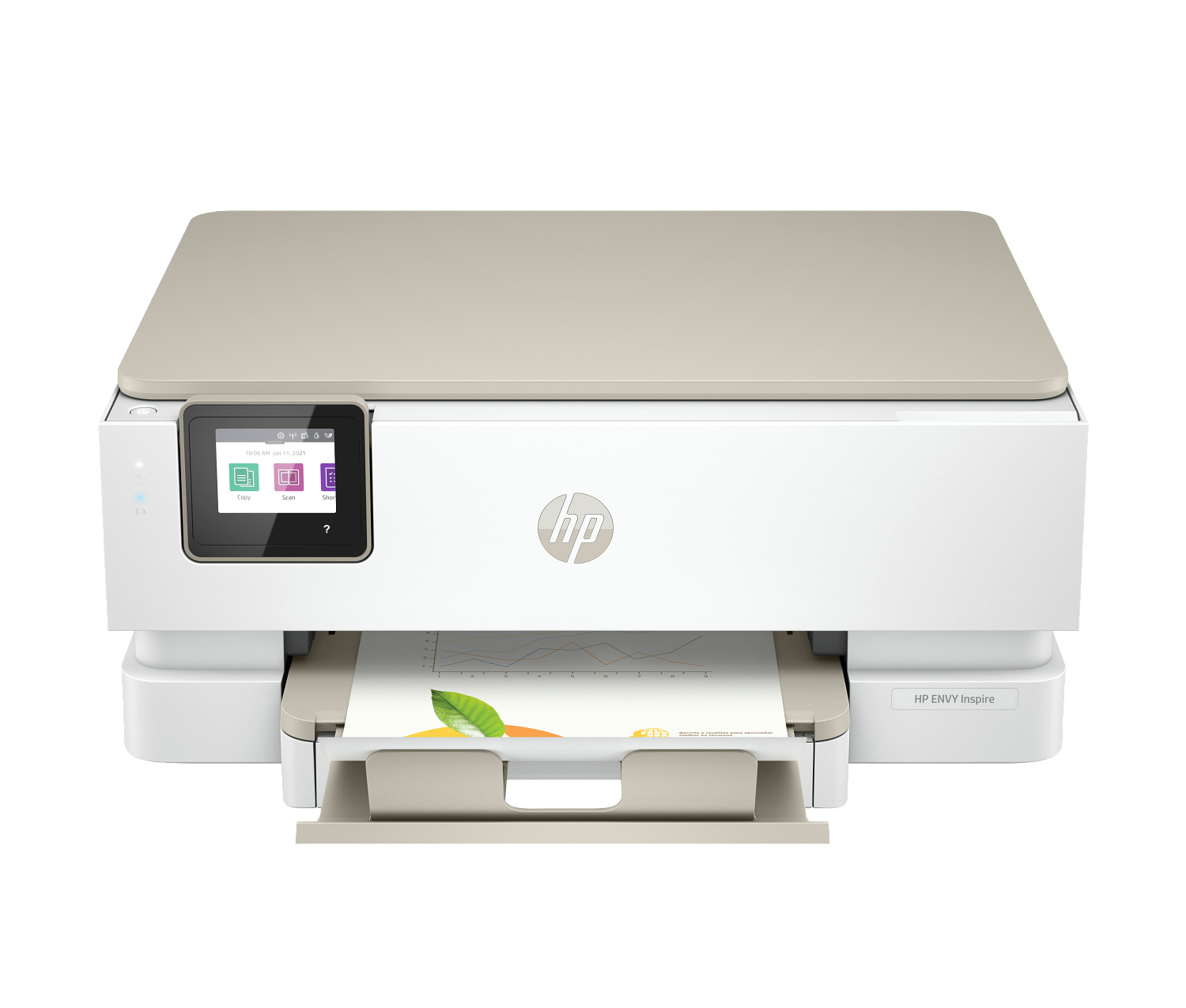
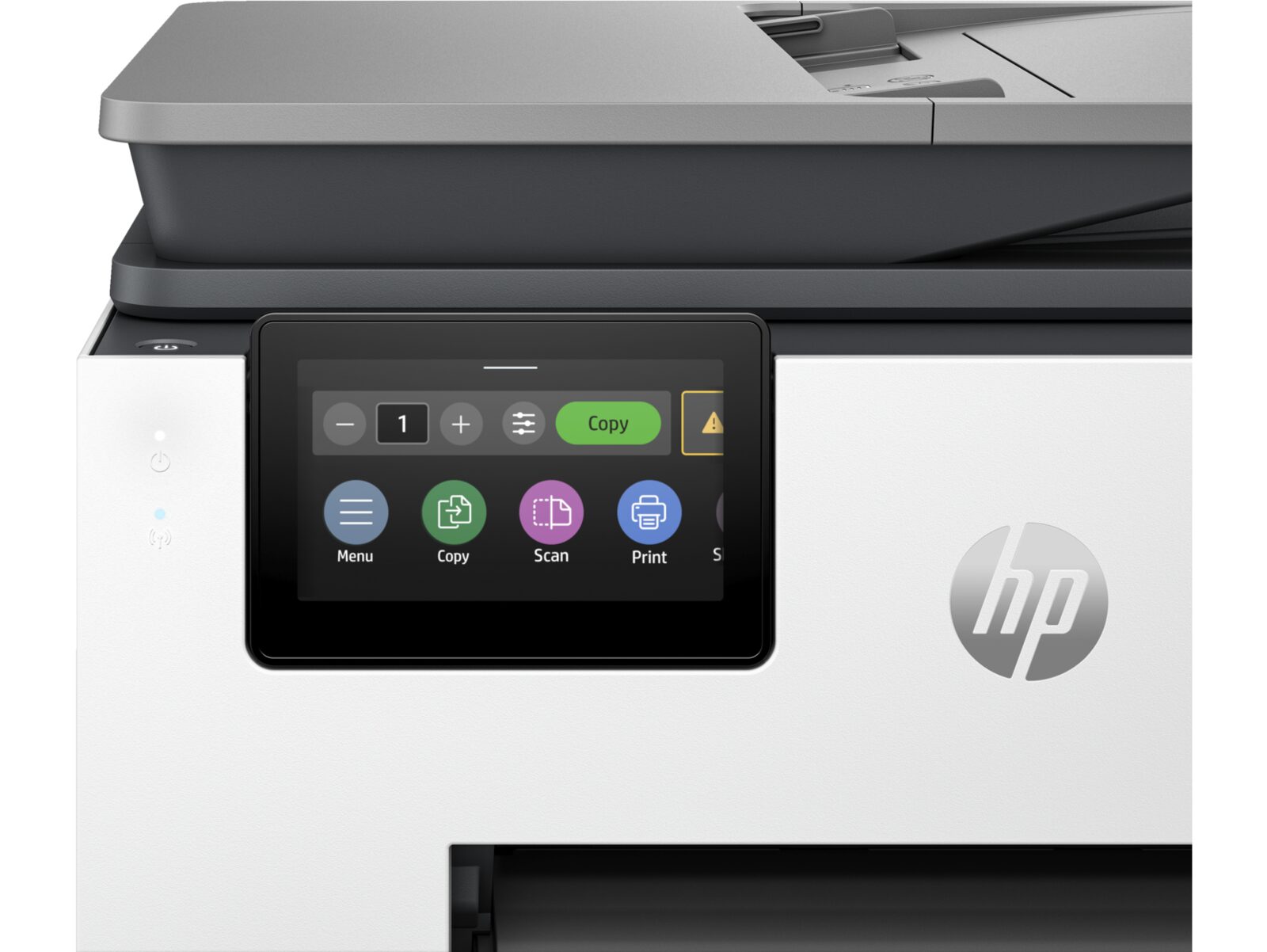
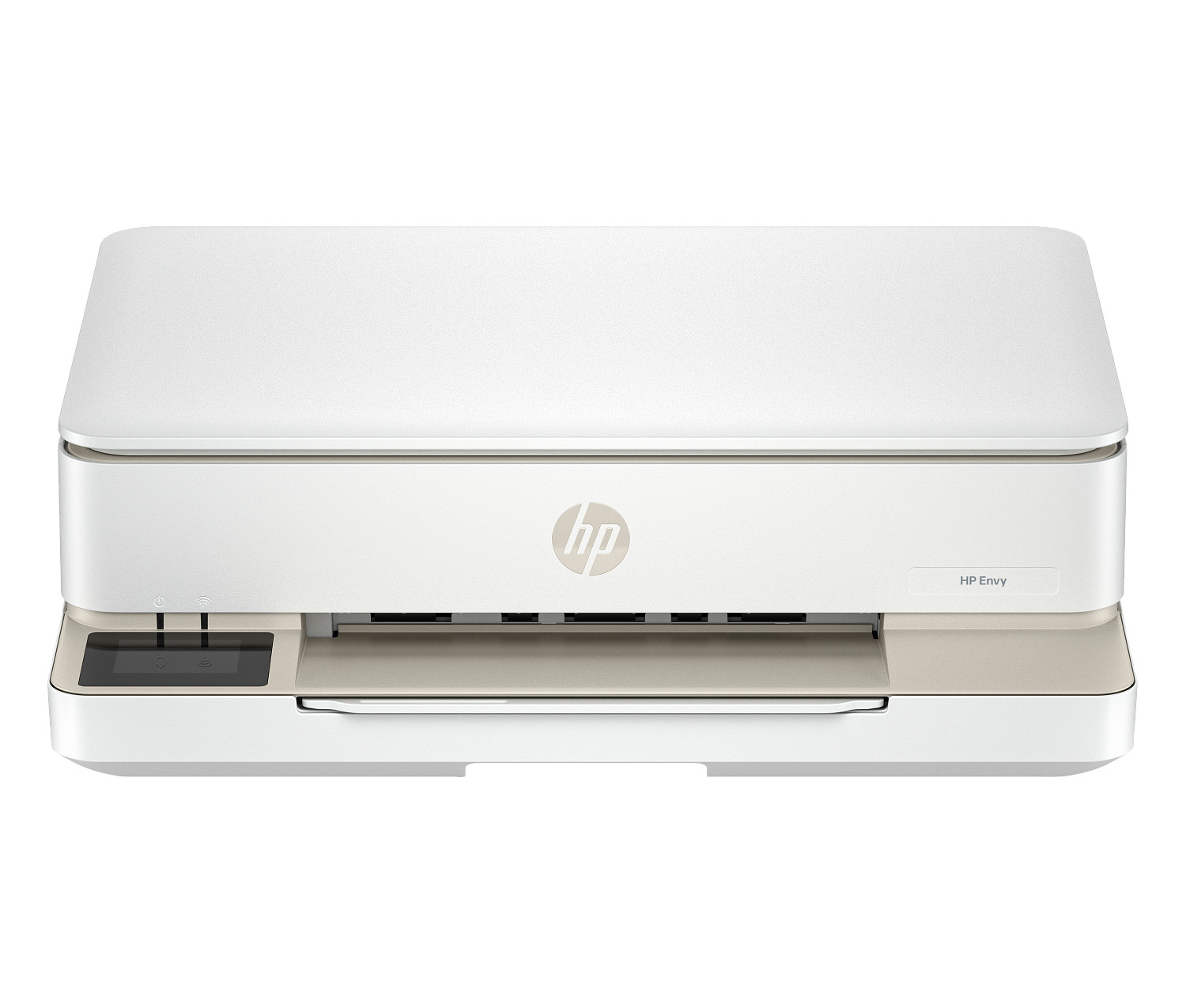
Inkjet printers spray microscopic droplets of liquid ink directly onto paper. This produces beautiful color gradients and photographic quality that laser printers can't match. Modern enterprise inkjets (like the Smart Tank and PageWide series) have dramatically improved speed and durability compared to older consumer models.
When Laser is the Clear Winner
- High-volume text printing: Contracts, invoices, legal documents, internal reports
- Speed is critical: Large departments need printers that can handle back-to-back jobs without slowing down
- Reliability: Toner doesn't dry out if the printer sits idle over a weekend or holiday
- Lower long-term cost: High-yield toner cartridges bring the cost per page well below inkjet for text-heavy printing
When Inkjet Makes Sense
- Color-heavy materials: Marketing brochures, presentation handouts, product photos
- Lower energy consumption: No fuser unit means less electricity used per page
- Mixed media: Better handling of different paper types including glossy photo paper and labels
Our Recommendation
For most offices doing heavy daily printing, a laser printer (or laser multifunction device) is the workhorse you need. If your work is heavily graphics-oriented, consider adding an enterprise inkjet specifically for color output while keeping a laser for everything else.